
The Perennial Patch · Edible Perennials
Edible Perennials for the Northern Homestead: Plant Once, Harvest for Years
Annual vegetables ask for work every single year — seed, transplant, weed, and start over. Edible perennials flip that deal: you do the work once, up front, and then you harvest for five, ten, even twenty years.
This guide is for northern homesteaders and gardeners in zones 3b to 4a who want reliable food plants that survive a Minnesota winter without coddling. Every plant here has proven itself in cold ground, and most actually taste better after a hard frost cycle.
Why Perennials Belong on Every Northern Homestead
Our growing season is short. Perennials get a head start because their roots are already in the ground when the soil thaws — asparagus and rhubarb are up while you are still starting tomatoes indoors. They also build soil instead of depleting it: deep roots, no annual tillage, and permanent mulch mean better structure every year.
Asparagus — The 20-Year Investment
Hardiness: Zones 3-8 | First real harvest: Year 3 | Light: Full sun
Asparagus is the king of edible perennials, and the rules have not changed in a hundred years: prepare the bed right, wait, then enjoy two decades of spears.
Planting Asparagus the Right Way
- Choose a permanent, sunny, well-drained spot. You will not be moving this bed.
- Dig a trench 12 inches wide and 8 inches deep. Work compost into the bottom.
- Plant one-year crowns in spring, roots spread like an octopus, crowns 18 inches apart, rows 4 feet apart.
- Cover with 2-3 inches of soil to start. As shoots grow through the season, gradually fill the trench.
- Do not harvest year one. Pick only a light taste in year two. Full 6-8 week harvest starts year three.
Male hybrid varieties like 'Jersey Knight' and 'Millennium' — bred in cold climates and a top pick for Minnesota — put energy into spears instead of seed and resist rust and fusarium better than old open-pollinated types.
Let the ferns stand after harvest. They feed next year's crowns. Cut them down in late fall after they turn brown, or leave them to catch snow and cut in early spring.
Rhubarb — Sour, Tough, and First in Spring
Hardiness: Zones 3-8 | First harvest: Light in year 2, full from year 3 | Light: Full sun to light shade
Rhubarb needs cold to thrive, which makes Minnesota perfect for it. Plant crowns in early spring or fall with the bud just at or slightly below the surface, 3 feet apart — these plants get big.
Harvest by pulling stalks with a twist, never cutting with a knife, and never take more than one-third of the plant at once in the early years. Stop harvesting by late June so the plant can rebuild for winter.
Safety note every homestead should repeat: Only the stalks are edible. The leaves contain oxalic acid and go in the compost or trash, never the stock pot and never to livestock.
'Canada Red' and 'Valentine' are reliable, sweet-for-rhubarb red types for the north. Divide crowns every 5-7 years in early spring when vigor fades — you will have starts to share.
Chives — The Plant You Cannot Mess Up
Hardiness: Zones 3-9 | Harvest: Same year, spring through fall | Light: Full sun to part shade
Chives come up with the first green in spring, bloom with purple pom-poms bees love in June, and give you onion flavor for eggs, potatoes, and soups all season for zero effort.
Snip, don't pull. Deadhead after bloom if you don't want self-seeding — and you probably don't, unless you want chives everywhere. Divide the clump every 3 years in spring; it takes five minutes with a spade.
Garlic chives are a good companion planting with flat leaves and white late-summer flowers, also hardy here.
Sorrel — Salad Greens Before Anything Else Is Ready
Hardiness: Zones 3-8 | Harvest: Light in year 1, regular from year 2 | Light: Full sun to part shade
Garden sorrel is a lemony leafy perennial that is ready to pick weeks before lettuce. A handful brightens soups, salads, and sauces. It bolts in heat, but the leaves keep coming in cool weather, which we have plenty of.
Plant it where it can stay — sorrel has a deep taproot and does not like moving. Give it a spot at the edge of the bed, harvest outer leaves, and cut flower stalks early to keep leaf production going. French sorrel has a milder, finer flavor if you can find it.
Berry Bushes — The Biggest Payoff of All
If you have room for only one category, make it berries. They fit along a fence, a house foundation, or the edge of the yard, and a mature planting produces gallons.
Cold-Hardy Berry Checklist for Zones 3-4
- Honeyberry (haskap) — Zones 2-7. The hardiest fruit we grow. Ripens in June, before strawberries. Plant two different varieties for pollination. 'Aurora' and 'Tundra' are proven pairs.
- Currants — Zones 3-7. Red, white, and black currants shrug off cold and shade better than most fruit. Excellent for jelly and jam.
- Gooseberries — Zones 3-8. Tart fresh, superb in pies. Choose mildew-resistant varieties and prune for air flow.
- Aronia (chokeberry) — Zones 3-8. Native, almost no pests, loaded with dark fruit for juice and syrup. Also a good windbreak shrub.
- Juneberry / serviceberry — Zones 4-8 (many selections fine in 3b with shelter). Tastes like a blueberry met an almond. Birds love them, so net if you want your share.
- Raspberries — Zones 3-8. Choose fall-bearing types like 'Heritage' and mow the whole patch in spring for the simplest system in a short season, or summer-bearing types like 'Boyne', bred for cold winters.
Space bushes by the tag, mulch with wood chips, and water deeply the first two seasons. After that, most need only pruning and a spring compost top-dressing.
Putting It Together: A Plant-Once Corner
Pick one sunny corner, about 10 by 20 feet, and build it in stages. Asparagus bed along the back. Rhubarb at one end where it can spread. A row of honeyberries or currants along the fence. Chives and sorrel tucked at the front edge where you can grab them on the way to the kitchen.
In three years that corner will feed you from April rhubarb to September raspberries with a fraction of the work of an annual bed the same size.
Tim's closing tip: Buy fewer plants and prepare better holes. On a homestead, the expensive part of a perennial is never the plant — it is a bad location you have to live with for twenty years. Walk the spot in spring melt and in August drought before you dig. If it passes both tests, plant it once and plant it right.
From Tim’s bookshelf
Go deeper with a book
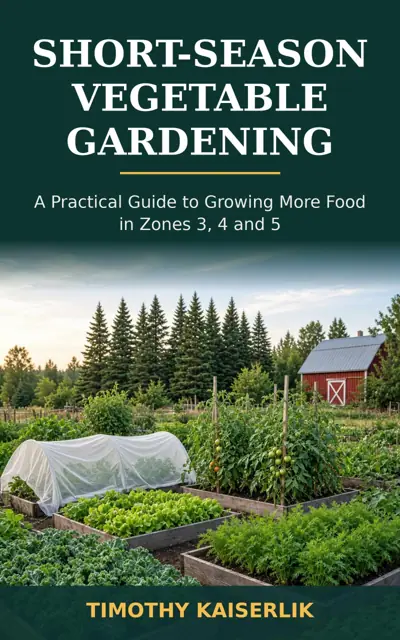
Short-Season Vegetable Gardening
A Practical Guide to Growing More Food in Zones 3, 4 and 5
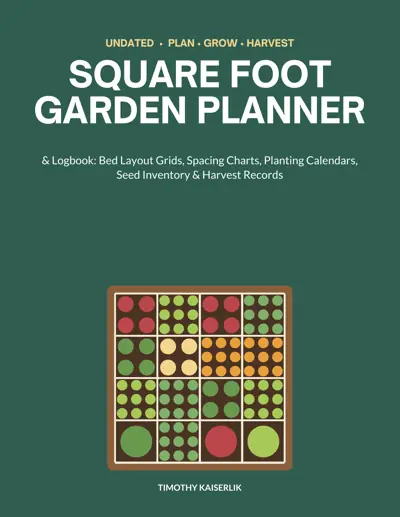
Square Foot Garden Planner & Logbook
An Undated Vegetable Garden Journal with Bed Layout Grids, Spacing Charts, Planting Calendars, Seed Inventory & Harvest Records
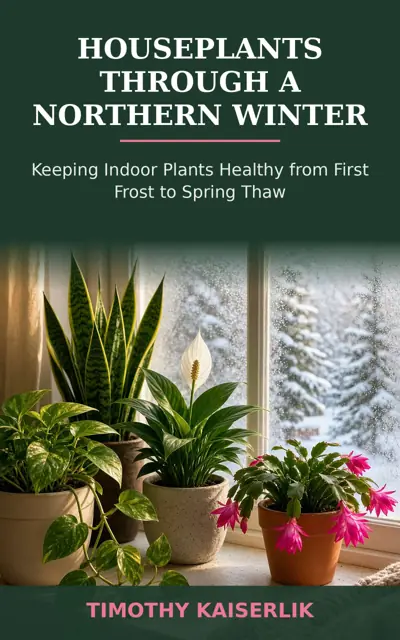
Houseplants Through a Northern Winter
Keeping Indoor Plants Healthy from First Frost to Spring Thaw
More like this
Plant Guides
Best Cold-Hardy Perennials for Minnesota Gardens: Zone 3-4 Plants That Come Back Every Year
Cold-hardy perennials that survive Minnesota winters in zones 3 and 4 — hosta, daylily, peony, Siberian iris and echinacea with bloom times and care tips.
Garden Skills
Dividing Perennials: When and How to Split Plants Without Killing Them
When and how to divide perennials in Minnesota — spring vs fall timing by plant type, step-by-step splitting, and replanting tips for zone 3-4 gardens.
Seasonal Care
Fall Care and Winterizing Perennial Beds in Minnesota: What to Cut, What to Leave, When to Mulch
Winterize perennial beds in cold climates — what to cut back or leave standing, mulching after ground freeze, and protecting borderline plants in zone 3-4.
Free printable
Get the free Christmas word search
Print a sample of our holiday word search puzzles for family game night, the classroom, or a quiet evening with coffee. Big, easy-to-read puzzles.
Free download, no purchase needed. The checkout page may ask for an email address to deliver the file.