
The Perennial Patch · Garden Skills
Dividing Perennials: When and How to Split Plants Without Killing Them
Dividing is the best deal in gardening: one crowded plant becomes three healthy ones, for free. Done at the right time, it revives a clump that has stopped blooming. Done at the wrong time — or to a plant that hates being divided — it can set you back a whole season.
This step-by-step guide is for Minnesota gardeners in zones 3b to 4a who want clear timing rules by plant type, not vague advice. Our window is shorter than down south, so timing matters more here than almost anywhere.
The General Rule — And Why It Works
The old rule still holds: divide spring bloomers in fall, and fall bloomers in spring. That way you never cut up a plant right before it flowers, and each division gets a cool, moist season to root in.
In Minnesota, translate that to real dates:
- Spring dividing: As soon as soil can be worked, usually mid-April through May, and ideally 4-6 weeks before summer heat.
- Fall dividing: Late August through mid-September in zone 4, and finish by early September in zone 3. Divisions need 4-6 weeks of root growth before the ground freezes.
Timing by Plant Type
Divide in Spring (Before Growth Gets Tall)
- Hosta — early spring as the pips emerge is easiest; they tolerate summer dividing too if you water well
- Daylily — spring or after bloom; spring is best in the coldest zones
- Echinacea and other summer/fall bloomers — early spring, just as new growth shows
- Ornamental grasses — spring only, once you see green at the base. Never divide warm-season grasses in fall in Minnesota
- Chives and most herbs — early spring
Divide in Fall (After Bloom, Early Enough to Root)
- Peony — fall only, September is ideal. Peonies resent spring moving
- Siberian iris — early fall or early spring; fall divisions must go in promptly and stay moist
- Bearded iris — late July to early August, right after bloom, so rhizomes bake in the sun and resist rot
- Early spring bloomers generally — once foliage has recharged the roots, by midsummer
Plants to Leave Alone
Not everything wants dividing. Baptisia, butterfly weed, and other taprooted plants resent disturbance and rarely need it. Lavender and Russian sage (woody subshrubs) are propagated by cuttings, not division. And a young peony or asparagus bed should be left to build strength for years before you ever lift it — asparagus, frankly, you just don't divide as a routine practice.
Signs a Plant Actually Needs Dividing
Don't divide on a calendar alone. Look for:
- A dead or bare center with growth only in a ring around the edge (classic hosta, daylily, and iris signal)
- Fewer and smaller flowers than the plant used to give
- The clump has swallowed its neighbors or heaved itself up out of the soil
- You simply want more plants — a perfectly good reason, if the clump is mature
Most fast growers need it every 3-4 years. Slow growers like peony may go 10 years or more.
Step-by-Step: Dividing a Clump, Start to Finish
What You Need
- Sharp spade or garden fork (two forks back-to-back helps on big clumps)
- Old serrated bread knife or soil knife for cutting crowns
- Tarp or wheelbarrow
- Bucket of water, compost, mulch, hose
The Process
- Water the day before. A hydrated plant handles the shock far better than a dry one.
- Pick a cool, cloudy day if you can, or work in the morning. Hot sun on exposed roots is the enemy.
- Cut back foliage by about half on leafy plants to reduce water loss. Leave iris fans trimmed to about 6 inches.
- Dig wide. Circle the whole clump, lift it out intact, and set it on the tarp. Don't try to divide it in the hole.
- Shake or wash off loose soil so you can see the crown and roots. This is where good divisions are made.
- Cut the clump into sections. Each division needs both healthy roots and at least 1-3 growing points (eyes, pips, or fans). For peonies, insist on 3-5 eyes per piece — smaller pieces take years to bloom.
- Throw out the old, woody center. Replant the vigorous outer pieces. Compost the dead middle without guilt.
- Replant immediately at the same depth the plant was growing before. Peony eyes go 1-2 inches deep — no deeper. Hosta and daylily crowns sit right at soil level.
- Water deeply, then mulch 2-3 inches, keeping mulch a finger's width off the crowns.
- Keep soil evenly moist for 4-6 weeks. Not soggy — steady. This rooting window decides whether your divisions thrive or limp.
If you can't replant the same day, heel divisions into a pile of damp soil or compost in the shade. Roots drying out in the wind is how good plants die on a tarp.
Common Mistakes in Northern Gardens
Dividing too late in fall. An October division in zone 3 has no time to anchor, and frost heaving will push it right out of the ground by March. If you missed the window, pot the divisions and overwinter the pots sunk in soil or in an unheated garage, then plant in spring.
Making divisions too small. A hosta sliver with one pip will live, but it will take two extra years to look like anything. Bigger divisions recover faster.
Forgetting to water fall divisions. Fall feels wet, but a dry September is common here. New roots need moisture more than they need fertilizer — skip fertilizer entirely until spring.
Dividing in a drought or heat wave. Wait a week. The plant isn't going anywhere.
A Quick Seasonal Plan
In spring, walk your beds with a notebook: divide the summer and fall bloomers, grasses, hosta, and daylilies that flagged last year. In late August, do the peonies and iris. Ten minutes of notes in June, when you can see what is actually crowded, saves a lot of guessing later.
Tim's closing tip: Label your divisions the day you plant them, with the variety name and the year. You think you will remember which daylily went where. By next June, you will not — and a labeled plant is one you can share, sell, or reorder with confidence.
If you want one notebook for variety names, the year you divided, and other garden notes, the Square Foot Garden Planner & Logbook has room for that kind of record alongside bed layouts.
From Tim’s bookshelf
Go deeper with a book

Short-Season Vegetable Gardening
A Practical Guide to Growing More Food in Zones 3, 4 and 5
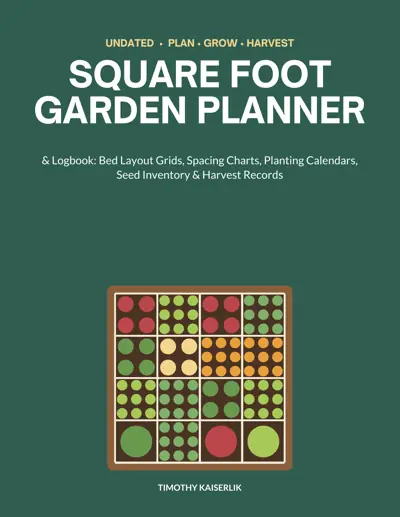
Square Foot Garden Planner & Logbook
An Undated Vegetable Garden Journal with Bed Layout Grids, Spacing Charts, Planting Calendars, Seed Inventory & Harvest Records

Houseplants Through a Northern Winter
Keeping Indoor Plants Healthy from First Frost to Spring Thaw
More like this
Plant Guides
Best Cold-Hardy Perennials for Minnesota Gardens: Zone 3-4 Plants That Come Back Every Year
Cold-hardy perennials that survive Minnesota winters in zones 3 and 4 — hosta, daylily, peony, Siberian iris and echinacea with bloom times and care tips.
Edible Perennials
Edible Perennials for the Northern Homestead: Plant Once, Harvest for Years
Edible perennials for cold climates — asparagus, rhubarb, chives, sorrel and berry bushes that survive zone 3-4 winters and produce for years.
Seasonal Care
Fall Care and Winterizing Perennial Beds in Minnesota: What to Cut, What to Leave, When to Mulch
Winterize perennial beds in cold climates — what to cut back or leave standing, mulching after ground freeze, and protecting borderline plants in zone 3-4.
Free printable
Get the free Christmas word search
Print a sample of our holiday word search puzzles for family game night, the classroom, or a quiet evening with coffee. Big, easy-to-read puzzles.
Free download, no purchase needed. The checkout page may ask for an email address to deliver the file.